Moisture-Damaged Flooring Replaced Right in Waxahachie
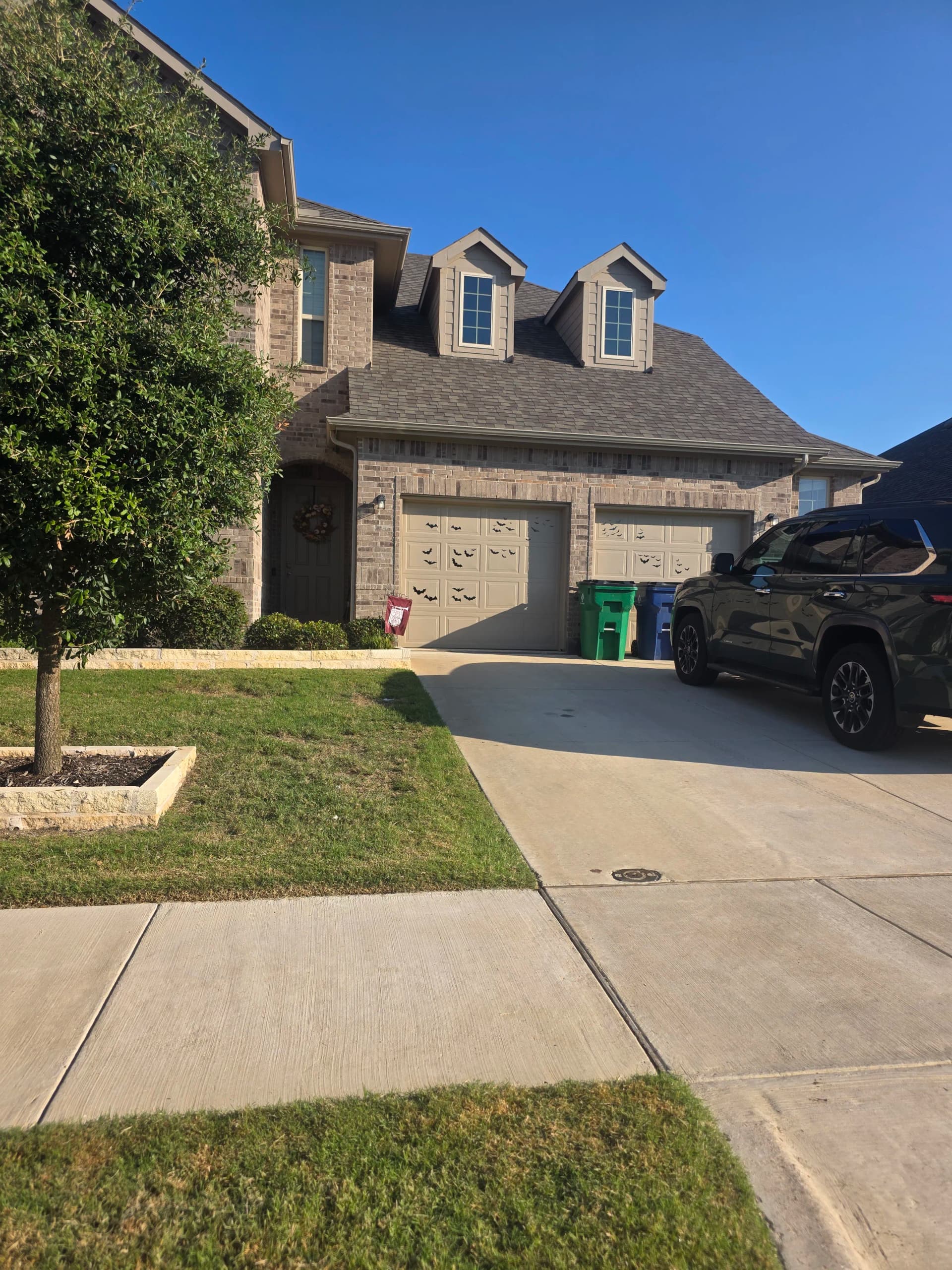
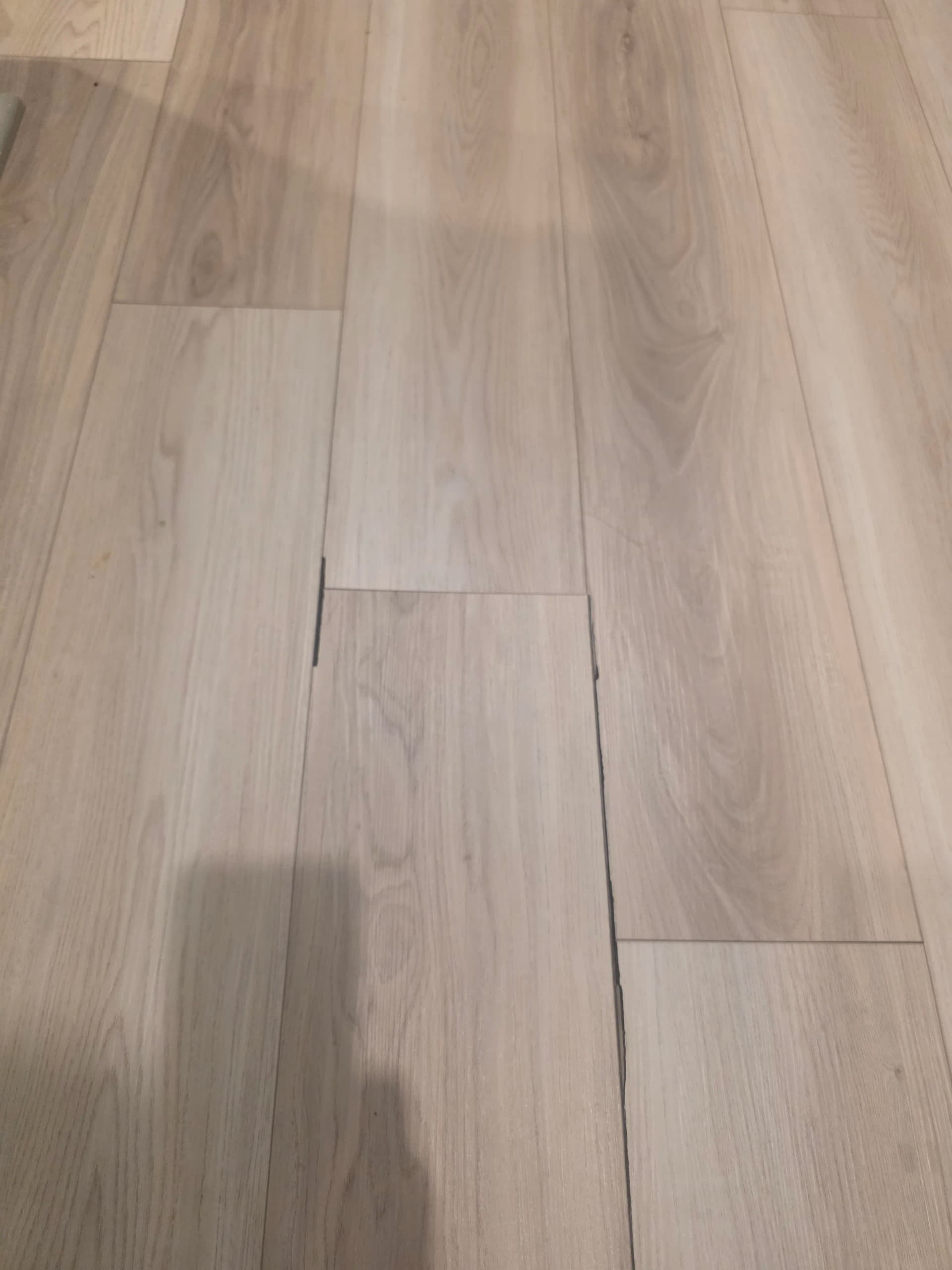
Moisture damage is one of the sneakiest flooring problems out there. It usually starts underneath - where you can't see it - and by the time the floor is buckling or separating, the original installation is already a lost cause. That's exactly what happened here. The previous floors were laid without proper moisture protection, and it caught up with the family living in this Waxahachie home.
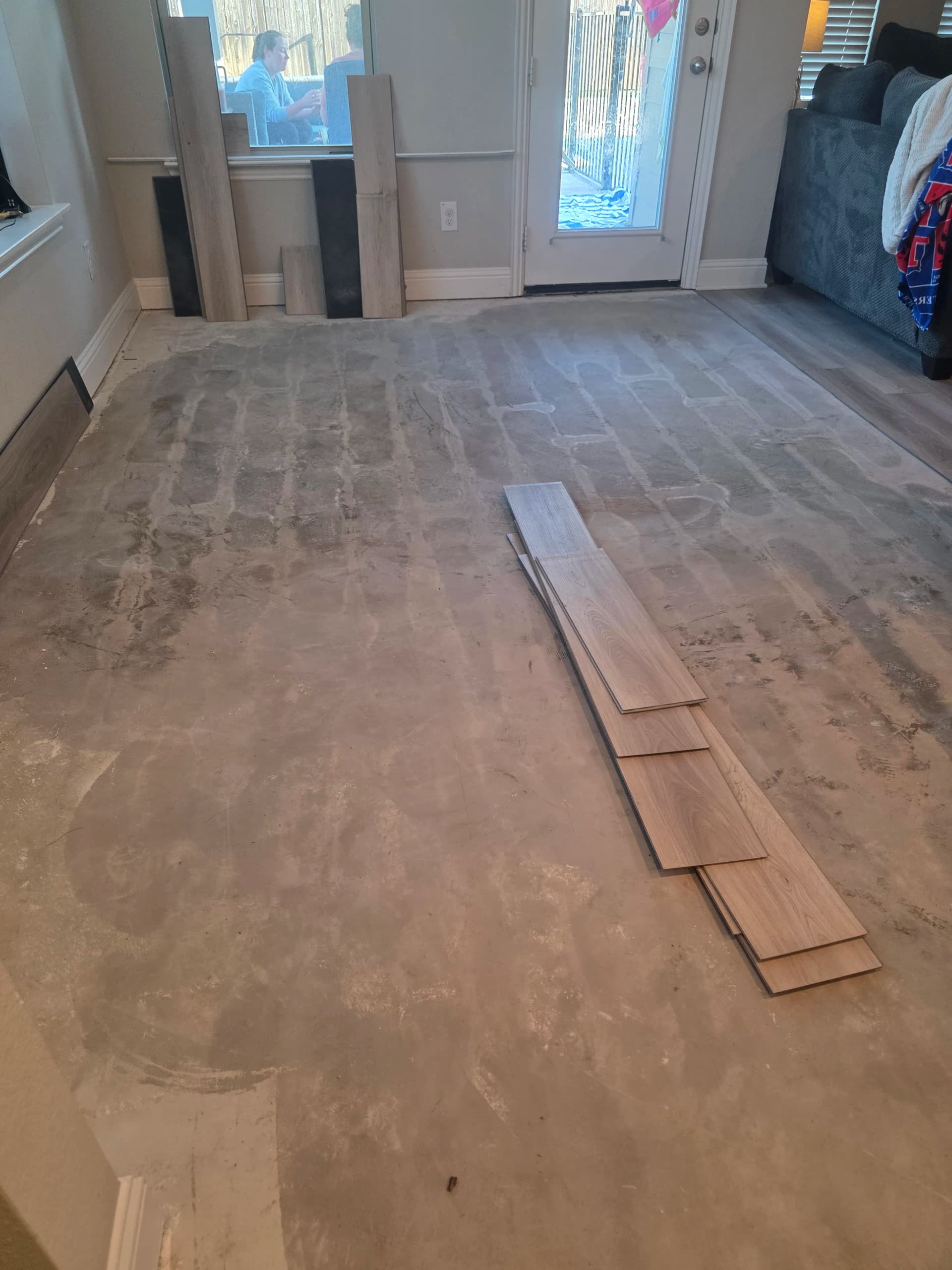
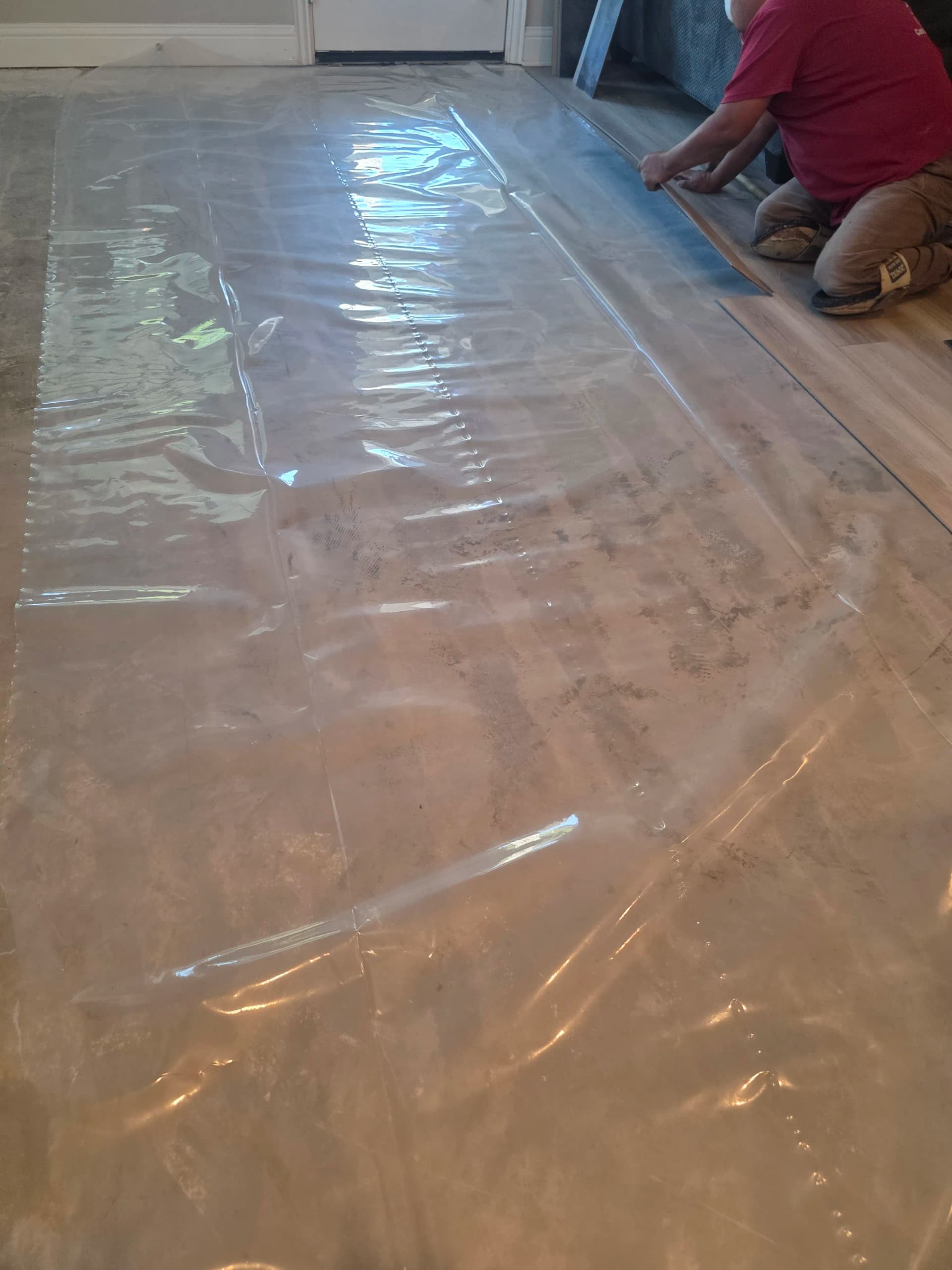
Here's what we were working with when we pulled everything up - a bare concrete subfloor showing clear signs of moisture that had been sitting under the old planks. No barrier. No protection. Just flooring laid straight over a slab that was never properly prepped. That's a setup for failure from day one, and unfortunately it's more common than most homeowners realize.
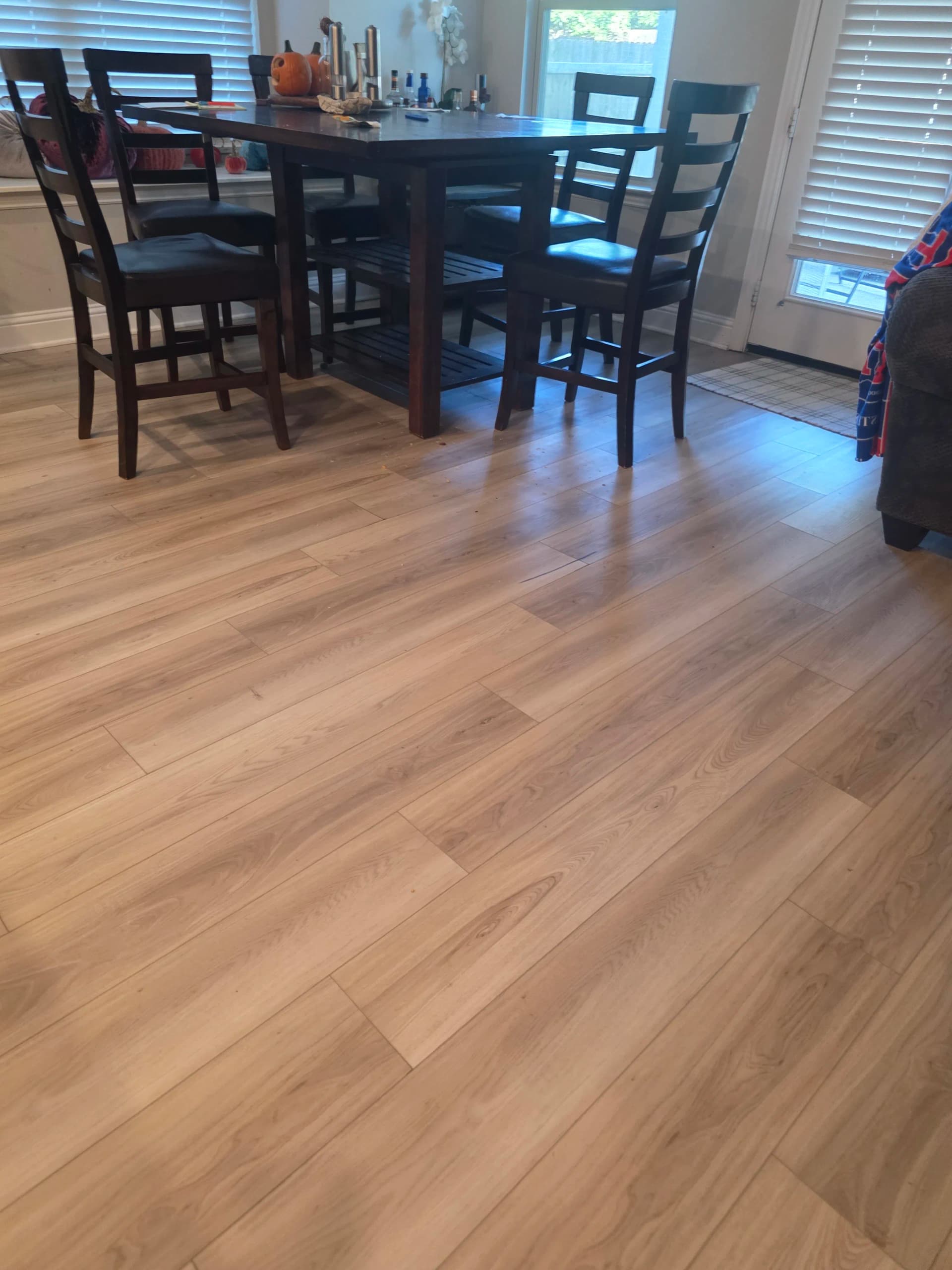
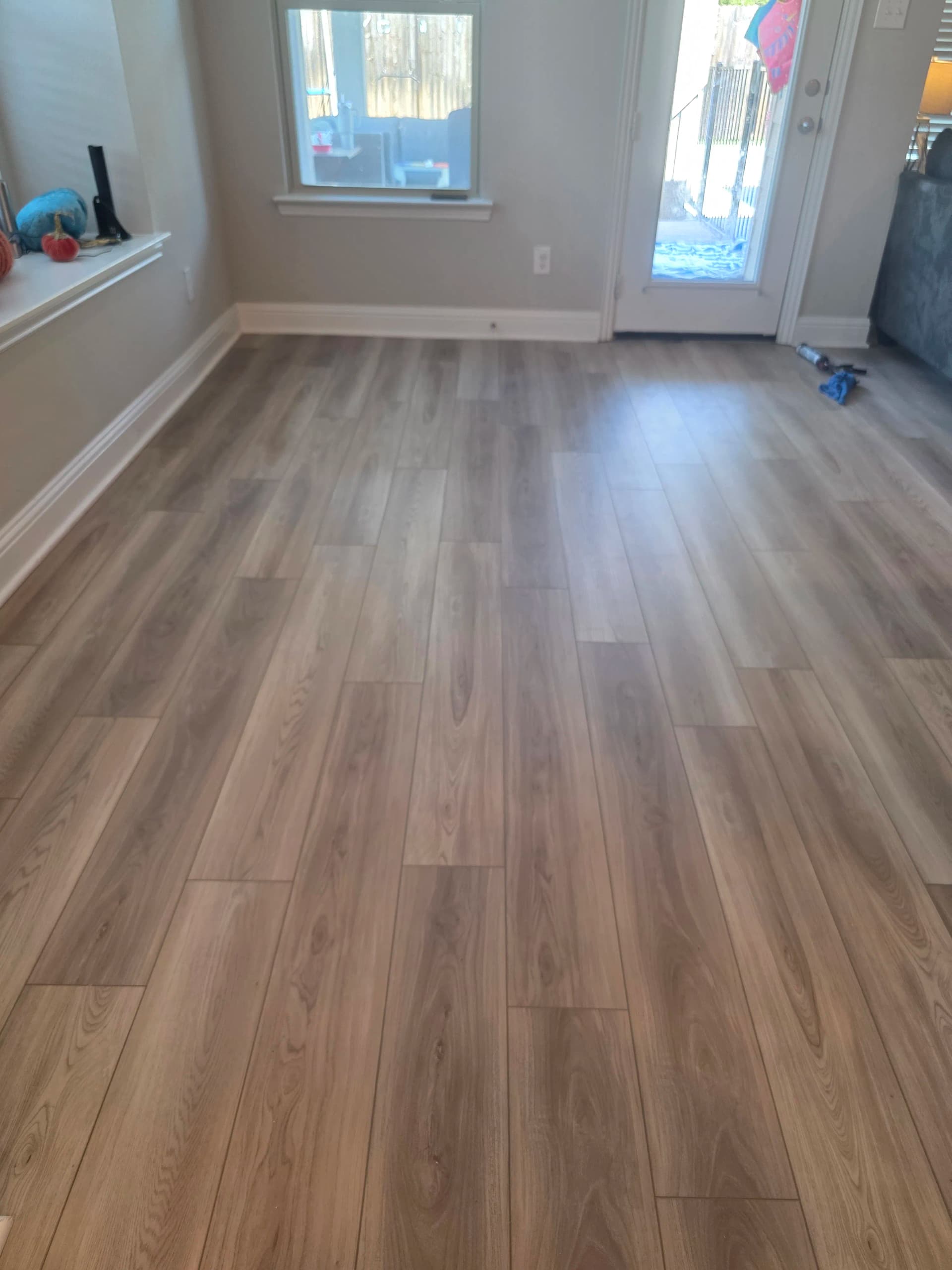
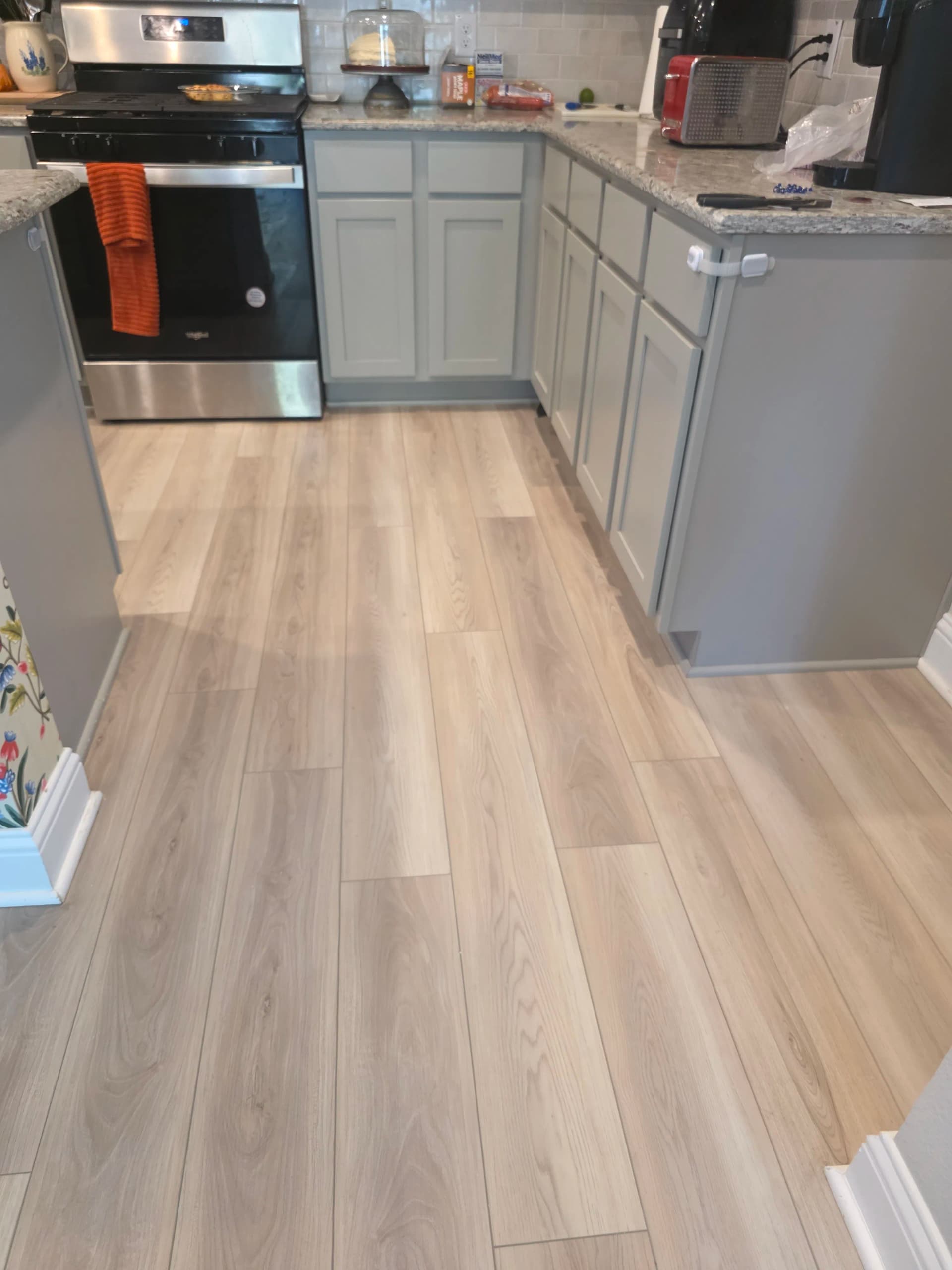
Before we laid a single new plank, we ran a proper moisture barrier across the entire subfloor. That plastic sheeting isn't optional - it's what separates a floor that holds up for years from one that fails again in 18 months. Once that was down, we got to work installing the new laminate planks across roughly 200 sq ft of living space, running through the main living area, dining area, and kitchen.
The finished floors are clean, tight, and consistent across every room. Wide-plank laminate in a light wood tone - the kind that works well in open living spaces and holds up to daily family use. No gaps, no soft spots, no shortcuts. Just solid installation done the way it should've been done from the start.
Skipping moisture protection during a floor install is one of the most common ways homeowners end up paying for the same floor twice. If your floors are showing signs of buckling, separation, or soft spots - that's usually moisture working its way up. We do this right the first time so you're not back in the same situation a couple years down the road.